Designing a Home That Feels Calm: Warm Minimalism Done Well
Minimalism can feel cold. Here is how to layer texture, tone and light so a pared-back home still feels like a soft place to land.
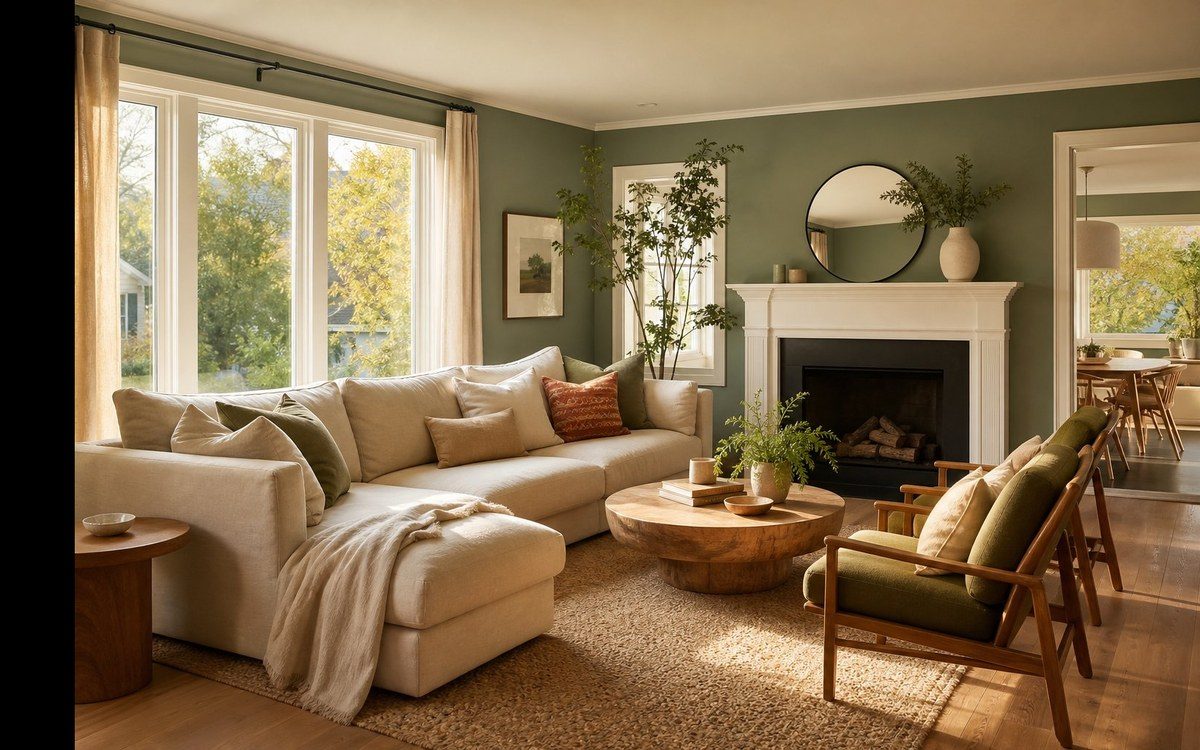
Minimalism gets a bad reputation for feeling cold, showroom-like and slightly unwelcoming. The fault is rarely the lack of objects — it is the lack of warmth layered back in.
Calm is a material decision, not a colour
A quiet room is built from texture before it is built from tone. When walls, floors and furniture all share one flat finish, the eye has nothing soft to rest on and the space reads as empty rather than serene. Two or three tactile surfaces in a room — a limewashed wall, a wool rug, a slubby linen at the window — give light something to graze across through the day.
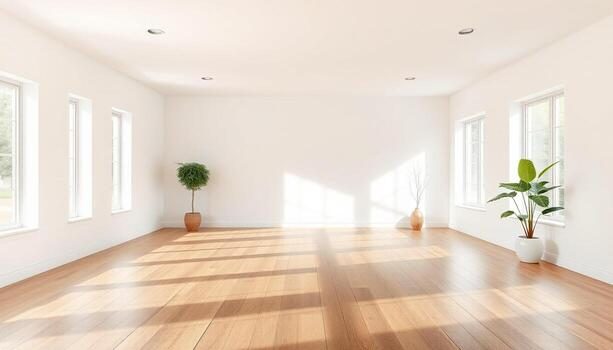
We usually start a calm interior with the floor, because it is the surface your body actually touches. Warm timber, a woven carpet or a honed stone all age gently and hold a room together when the furniture changes later.
Let the light do the decorating
Before choosing a single cushion, watch how daylight moves through the room. A north-facing living room wants warmer tones and a little more artificial light in the evening; a bright south-facing room can carry deeper colours without feeling heavy. Layer three sources — overhead, task and low ambient — on separate switches so the room can change mood with the hour.
A room feels calm when nothing in it is competing for your attention at once.
The rules we quietly follow
- Choose a narrow palette of warm neutrals, then add depth through texture rather than pattern.
- Keep one wall mostly bare — visual breathing room matters as much as floor space.
- Buy the largest rug the room allows; small rugs make rooms feel temporary.
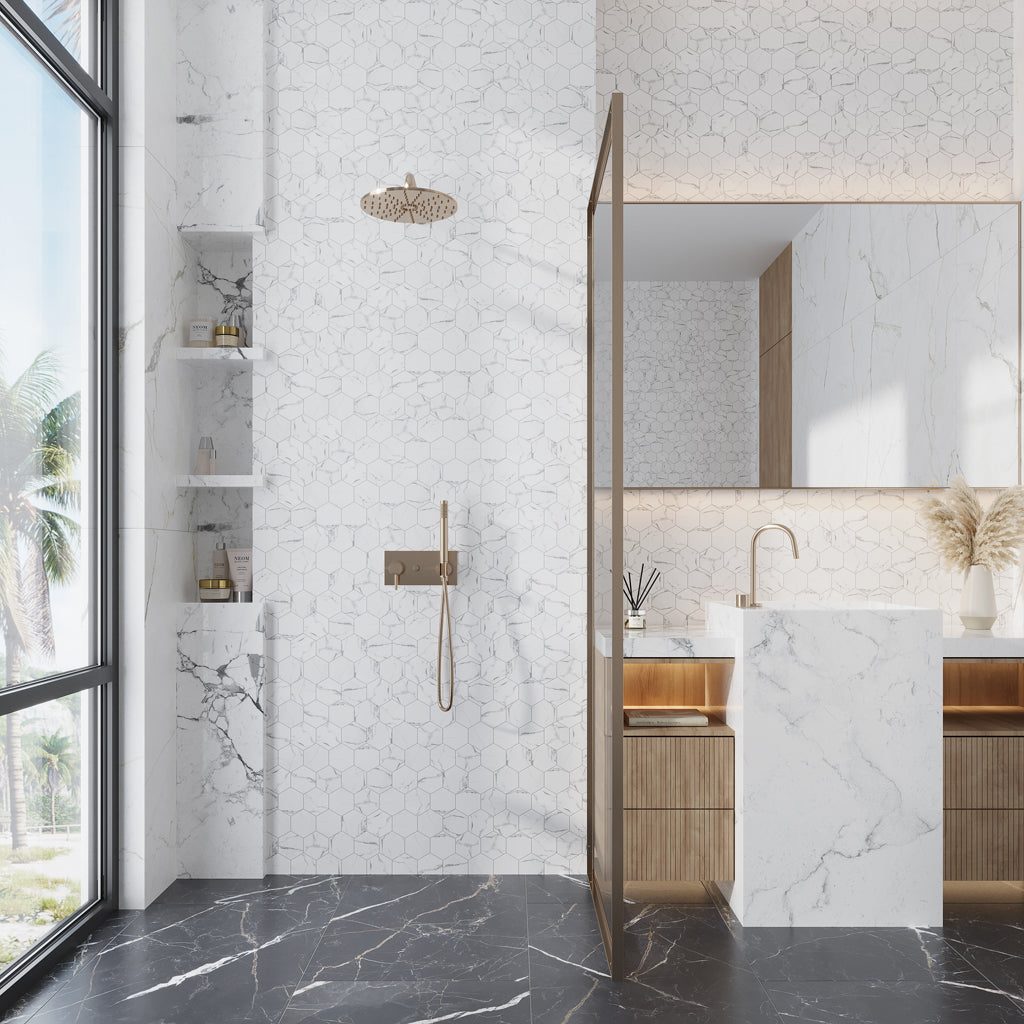
- Mix finishes deliberately: matte walls against a soft sheen metal, rough linen beside smooth stone.
- Leave space around the things you love, so each one can be noticed.
Where the budget is worth it
Spend on the pieces you touch and see daily: door hardware, a well-made sofa, a proper curtain track, warm bulbs with a good colour temperature. These quiet upgrades outlast trends and do more for a feeling of calm than another decorative object ever will.
If your home is ready for a gentler version of itself, our interior design team would love to walk through it with you.
Keep reading